
BLACK FRIDAY SALE | Upto 25% Off on eLearning assets and Moodle Plugin | Limited time only Explore Now
BLACK FRIDAY SALE | Upto 25% Off
on eLearning assets and Moodle Plugin | Limited time only
Explore Now
BLACK FRIDAY SALE | Upto 25% Off on eLearning assets and Moodle Plugin | Limited time only Explore Now
BLACK FRIDAY SALE | Upto 25% Off
on eLearning assets and Moodle Plugin | Limited time only
Explore Now
Curated elearning insights

Get Your Prepaid eSIM Activated Instantly Today
A prepaid eSIM is a digital SIM card you buy and activate online, completely skipping the plastic card hassle. Instead of signing a contract, you just load credit or a data package onto the profile, giving you instant mobile service. This makes switching networks or traveling a breeze since you manage everything from your phone’s settings. The best part is you stay connected without physical swaps or surprise bills, offering total control over your connectivity.
The Pay-As-You-Go Embedded SIM Revolution fundamentally redefines the prepaid eSIM as a passport of pure connectivity, not a contract. You buy access only when needed—like a digital refill for a phone that never holds a physical card. This shift lets you purchase a local prepaid eSIM abroad moments before you land, avoiding expensive roaming fees. The power is in the pause; if you stop paying, access stops instantly, with no cancellation fee. You are paying for data as a utility, not a subscription. A traveler might activate a 10-day plan in Tokyo, then let it expire, knowing an Italian eSIM awaits for next month’s trip. This revolution is about turning your device into a flexible, temporary local line anywhere.
A prepaid eSIM creates a temporary mobile data connection by storing your carrier profile directly on the device’s embedded chip, completely bypassing a physical SIM card. Activation happens instantly by scanning a QR code or using an app, which downloads the digital profile to a secure element within the phone. This profile contains encrypted authentication keys that enable the device to authenticate with the network. The connection remains active for the purchased data allowance or duration, after which the profile can be deleted or automatically deactivated, leaving no hardware to remove.
| Aspect | How It Works Without a Physical Card |
|---|---|
| Provisioning | Digital profile downloaded via QR or app to the device’s embedded SIM chip |
| Storage | Keys and carrier info held in tamper-resistant hardware, not a removable card |
| Activation | Immediate network authentication after profile install |
| Deactivation | Profile deletion or expiry ends service; no card to eject |
The biggest shift from a physical travel SIM vs digital eSIM profile is convenience versus tangibility. With a traditional SIM, you must locate a store, swap cards, and safeguard the tiny chip. A digital profile downloads instantly via QR or app, eliminating lost SIMs. Physical SIMs lock you to one carrier; digital profiles let you store multiple plans. However, some trips involve spotty data with digital profiles if your phone doesn’t support carrier roaming profiles.
Q: What’s the main practical difference in activation?
A: Physical SIM: insert card, wait—digital profile: scan code, connect.

Sarah used to dread landing in a new country, bracing for the shock of carrier fees. Now, she lands, turns on her phone, and her prepaid eSIM activates instantly. The biggest reason for her switch is the end of physical SIM hunting; she no longer wastes time at airport kiosks or risks losing a tiny chip. The cost transparency is a game-changer, too—she knows exactly how much data she’s paying for upfront, dodging the dreaded bill shock. Most importantly, she can keep her home number active in the background, ensuring she never misses a bank alert or family call while using a local digital line for cheap navigation and messaging. That seamless dual-connectivity, without juggling cards, is the core reason travelers like her are never going back to plastic SIMs.
Prepaid eSIMs deliver significant cost savings on international data packages by eliminating the exorbitant roaming fees levied by traditional carriers. Instead of paying daily surcharges, users purchase local or regional data bundles at domestic rates, frequently reducing expenses by 70-90% during trips. This model allows travelers to avoid unpredictable bill shocks, with transparent, one-time costs for a set data allowance. By facilitating competitive pricing from multiple network operators, prepaid eSIMs enable direct savings on roaming data without long-term contracts, making connectivity affordable on a per-trip basis.
Eliminating physical SIM swaps and lost cards is a primary advantage for travelers using prepaid eSIM. You never handle a tiny, fragile chip, removing the risk of misplacing or damaging it during transit. Activation is fully remote, so there is zero chance of physically losing a purchased SIM before installation. This ensures connectivity is secured before departure, with no dependency on keeping track of a physical card. The protection against accidental loss or the need for mid-trip replacement is absolute.
Upon landing, a traditional SIM hunt vanishes with a prepaid eSIM. Instant activation upon landing eliminates airport kiosk queues and physical card swaps. Once your plane touches down and connects to a local tower, your data plan is live within seconds, enabling immediate navigation, ride-hailing, or messaging. This seamless handoff relies on a QR scan or app tap executed before departure, not after arrival. No waiting for SMS confirmations or manual network selection. The user simply enables the eSIM profile saved earlier, and connectivity begins automatically as the device registers on a foreign network. This practical immediacy removes the travel gap between arrival and connection.

Most modern smartphones from the last few years support prepaid eSIM, including all iPhones from the XR onward and recent Google Pixels (3a and later). Samsung Galaxy S20 and newer models work, as do many mid-range Androids like the Moto G series. Smartwatches with cellular, such as the Apple Watch and Samsung Galaxy Watch, are also compatible. The key requirement is an unlocked device. To double-check compatibility, here’s a quick Q&A: Q: How can I confirm my phone works? A: Check your settings for “Add eSIM” or look up your model on your carrier’s site. Just avoid older locked phones or inexpensive prepaid handsets that lack eSIM hardware.
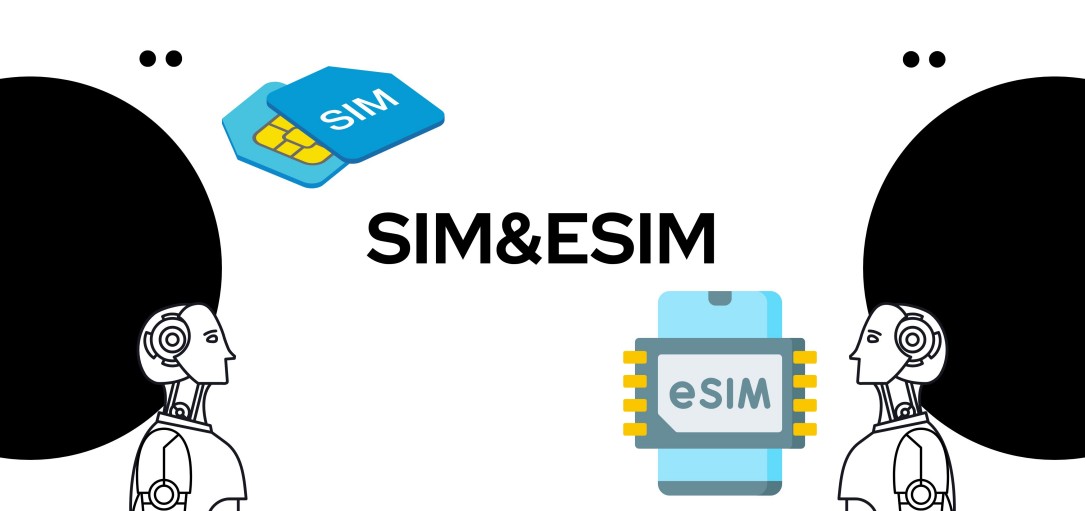
Many modern smartphones support dual SIM configurations, which integrate one physical nano-SIM slot with one eSIM profile. This allows users to activate a prepaid eSIM for data while keeping their primary number on the physical SIM. For example, an iPhone 14 Pro or Samsung Galaxy S24 can store multiple eSIM profiles, enabling seamless switching between prepaid plans without swapping cards. In such setups, the user assigns the eSIM for mobile data and the physical SIM for calls, optimizing cost and coverage. Dual-standby functionality ensures both lines remain active, though only one transmits data at a time. This arrangement practically eliminates the need for two physical slots while retaining flexibility.
| Phone Model | eSIM + Physical SIM | Prepaid eSIM Use Case |
|---|---|---|
| iPhone 15 | Yes | Assign eSIM for travel data |
| Google Pixel 8 | Yes | Keep work SIM physical |
Modern tablets and laptops with integrated eSIM modules allow you to activate prepaid data plans instantly without hunting for a physical SIM card. For travelers, this means switching to a local prepaid eSIM on your iPad or Windows laptop within minutes, avoiding expensive roaming fees. Simply purchase a prepaid eSIM online, scan the QR code during setup, and your device connects to a local network. This is especially practical for remote workers who need reliable, on-the-go internet across different countries. Do tablets and laptops with integrated eSIM support multiple prepaid eSIMs? Yes, most recent models store several profiles, though only one can be active at a time, letting you juggle data packages easily.
To confirm your phone is unlocked for a prepaid eSIM, navigate to Settings > General > About (iOS) or Settings > Connections > Mobile Networks (Android). If you see “No SIM restrictions” or “Network unlocked,” your device is ready. Insert a non-carrier physical SIM card; if it activates without an error, you’re set. For eSIM compatibility, attempt to install a prepaid eSIM profile from a provider’s app—successful activation means your phone is unlocked and ready.
You’re landing in Vietnam, phone clutched, no local SIM in sight. Choosing the right prepaid eSIM means matching your trip’s rhythm. If you’re navigating Saigon’s alleys and uploading food snaps, a 5G data-only package with 10GB over 7 days keeps you zippy. For a two-week trek from Hanoi to Ha Long, I learned the hard way that a 30GB, 15-day plan saves you from topping up mid-jungle. Always check total speed caps before the throttle—some “unlimited” plans crawl after 5GB, killing your maps. Buy eSIMs that offer tiered top-ups, so you can add 1GB without replacing the plan. Size the package to your real usage, not the flashy promo, or you’ll be screenshotting directions.
For a short-term city break, prioritize a prepaid eSIM with a small data cap (1–3 GB) and a short validity (3–7 days), as you’ll rely on public Wi‑Fi at cafes and hotels. For extended travel plans spanning weeks or months, choose a plan offering 10+ GB and a 30‑day expiry, ideally with top‑up options to avoid re‑purchasing. To match usage duration correctly:
When selecting a prepaid eSIM data package, scrutinize the regional coverage maps to verify that the provider’s partner networks operate in all your destination’s zones, as gaps often occur in rural or border areas. Speed tiers within these maps are typically tiered by maximum throughput (e.g., 4G LTE or 5G), yet many plans cap speeds after a data threshold, reducing 4G to 3G-levels for the remainder. Compare the stated speed tier against map-annotated signal strength indicators; a “high-speed” label in a weak-coverage region may still result in buffering. Prioritize packages where the map explicitly shows 5G availability alongside the plan’s guaranteed minimum speed, ensuring both broad access and consistent performance.
When selecting a prepaid eSIM, prioritize providers offering top-up flexibility for extended travel. This allows you to add data to your existing plan without buying a new eSIM, avoiding service interruptions. Equally critical are plan expiration windows—some data packages expire after 7 days, while others remain valid for 30 or 90 days. Choose a rolling validity option that matches your itinerary’s exact duration, ensuring you never pay for unusable leftover data or lose funds prematurely. By aligning top-up capabilities with a generous expiration window, you maintain seamless connectivity without waste or surprise cutoffs.
Top-up flexibility lets you replenish data within the same plan, while expiration windows define how long that data stays active—together, they prevent overpaying and keep your connection uninterrupted.
For first-time users, setting up a prepaid eSIM begins with purchasing a compatible plan directly from a provider’s website or app. Next, you receive a QR code or activation link via email. Open your phone’s settings, navigate to “Mobile Data” or “Cellular,” and tap “Add eSIM.” Scan the QR code or paste the confirmation code; the eSIM profile downloads automatically. Once installed, label it (e.g., “Travel Data”) and set it as your default for mobile data if desired. Activation is instant after payment. Q: What if the QR code fails to scan? A: Manually enter the SM-DP+ address and activation code provided in your confirmation email. Ensure your phone is unlocked and eSIM-compatible before starting; no physical SIM removal is needed. Test connectivity by toggling data on and off.
For first-time prepaid eSIM users, the setup method creates a key distinction. Scanning a QR code typically delivers instant activation by embedding the profile directly into your device’s settings, bypassing any extra app. In contrast, downloading a provider app often requires you to first install and authenticate through the software, which can add steps for logging in or selecting a plan. However, provider app management offers post-setup advantages, allowing you to top up, switch data pools, or monitor consumption from one dashboard. The QR route is faster for a one-time install, while the app provides ongoing control without re-scanning.
After installing your prepaid eSIM, configuring mobile data settings is the final step. On iOS, navigate to Settings > Cellular, tap your new eSIM plan, and enable “Cellular Data.” For optimal performance, toggle “Data Roaming” on if your plan supports it. On Android, go to Settings > Connections > SIM Manager, select the eSIM, and activate “Mobile Data.” Ensure the correct SIM is prioritized for data under “Primary SIM.” A quick test by loading a website confirms functionality. Fine-tuning APN settings might be necessary for some prepaid eSIMs; enter them exactly as provided by your carrier under the eSIM’s access point name field.
Q: What if my mobile data doesn’t work after toggling the settings?
A: Double-check that your eSIM is selected as the default data line, and verify that your APN settings match the carrier’s requirements exactly—especially for prepaid plans.
Once your prepaid eSIM profile is installed, test the connection immediately by toggling mobile data and making a quick call. Most devices let you label each profile (e.g., “Travel Data,” “Home Line”) to avoid confusion. Switching between plans is instant: just go to Settings > Cellular and select the active line. For dual-SIM users, assign one profile for data and another for voice. A quick tip: if your primary line drops signal, manually disable iMessage/FaceTime, then re-enable after switching profiles.
Q: How do I test if my prepaid eSIM works without using up all data?
A: Turn off your home SIM’s cellular data, then run a quick speed test or load a lightweight webpage—this confirms connectivity without draining your prepaid balance.
When navigating prepaid eSIM options, the biggest pitfall is assuming the displayed price covers everything. Always check the fine print for hidden fees, like activation charges or top-up service costs that inflate the total. Many users overlook “fair usage” caps; exceeding a 4G speed cap can trigger throttling or unexpected overage charges. To avoid this, calculate your exact data need before purchase. Furthermore, verify if the plan includes a money-back guarantee for non-installation—some providers refuse refunds for activation errors. Choose providers that clearly state “no hidden costs” and confirm your device’s eSIM compatibility to avoid a non-refundable purchase.
To prevent bill shock with your prepaid eSIM, disable automatic app updates and background data for non-essential apps immediately after installing your eSIM profile. Activate data saver mode within your device settings to curb incremental background consumption during social media or email syncs. Monitor your live data balance through the provider’s app, not just the phone’s native counter, as eSIM panels reflect real-time usage. For streaming or navigation, pre-download content over Wi-Fi and then toggle cellular data off before switching to your eSIM. This ensures every megabyte you use is deliberate, not accidental.
Many prepaid eSIM plans quietly restrict tethering, even if they advertise unlimited data. Before traveling, check the fine print for hotspot data caps or outright bans. Often, a plan’s “unlimited” data only applies to on-device use, with tethering throttled to unusable 2G speeds after a small allowance (like 500MB). To avoid surprises, first confirm your provider’s official stance on tethering, then test it immediately after activation with a single device. If your personal hotspot option is grayed out or fails, the plan likely forbids sharing. Workarounds like VPNs or rooting won’t fix this—you simply need a different eSIM plan.
When your prepaid eSIM balance hits zero mid-trip, data stops instantly—no warnings, just a cut-off. This leaves you stranded without maps, ride apps, or emergency contact. Most providers offer a quick top-up via their app or website if you find Wi-Fi, but some require a new eSIM entirely. Balance depletion without backup Wi-Fi is a common travel snag. Q: Can I still receive texts or calls with zero balance? Typically, no—incoming services also block without funds, so recharge before you lose connectivity completely.
When comparing major digital roaming providers for a prepaid eSIM, focus on coverage breadth versus single-region plans. Airalo offers broad global packs, ideal for multi-country trips, while Holafly emphasizes unlimited data for specific continents. For budget-conscious travelers, Ubigi often has lower per-GB costs in high-demand regions like Japan and Europe. Nomad stands out for its flexible top-up options without expiry. A critical differentiator is customer support accessibility: Airalo provides 24/7 chat, whereas some discount operators rely solely on email. Local number support is rare across all major prepaid eSIM providers, meaning you will likely get data-only service. Always verify provider-specific hotspot tethering permissions before purchase, as some restrict this feature in their terms.
For prepaid eSIMs, the core choice is between global coverage leaders vs region-specific specialists. Global leaders, like Airalo or Holafly, offer broad, multi-country plans ideal for travelers crossing borders, but often at higher per-GB costs and throttled speeds in less popular regions. Region-specific specialists, such as Nomad for Asia or BNESIM for Europe, provide deeper local network access with cheaper, higher-speed data in their target zone, yet require a separate eSIM per trip area. The key trade-off is convenience versus cost-to-speed efficiency.
When comparing prepaid eSIM providers, clear pricing without hidden fees makes or breaks your trust. Look for providers that show exact rates per MB or day upfront, not vague “starting from” claims. For customer support, check reviews mentioning wait times for live chat—quick, helpful replies matter more than flashy apps. A table helps compare:
| Provider | Pricing Transparency | Support Reviews |
|---|---|---|
| Airalo | Shows total cost per GB clearly | Fast chat, but some users want phone support |
| Holafly | Unlimited data with daily fee, fine print on throttling | Mixed—police email responses, slow on weekends |
| Ubigi | Itemized pricing per region, no surprise surcharges | Friendly agents, average resolution time under 10 min |
Always skim recent Reddit or Trustpilot threads—they often spotlight billing surprises or support ghosting before you buy.
When selecting a prepaid eSIM, the choice between bundled voice minutes vs strictly data-centric options hinges entirely on your need to make or receive calls. Bundled minute plans, like those from Airalo Talks or Holafly’s combo packs, include a local or international calling bucket for real-time chatter with taxis or hotels, but often charge higher data rates. Strictly data-centric plans, such as Nomad or standard Airalo, sacrifice all voice capability for pure internet access, forcing you to rely on VoIP apps like WhatsApp or Skype for calls. This trade-off means data-only users save money but lose native dialing, while bundled minute users pay a premium for legacy call reliability.
Using a prepaid eSIM for a temporary digital line heightens the need for proactive security hygiene. Since these lines are often discarded, a compromised eSIM profile could grant a threat actor persistent access to linked accounts long after you’ve stopped using the number. Always use a dedicated, strong password for the eSIM’s account portal—never recycle credentials. Q: What is the most critical privacy step before deleting a temporary eSIM? A: Revoke all two-factor authentication (2FA) associations tied to that number within your online accounts, as the recycled eSIM profile could be reissued to another user. Finally, manually disable and remove the eSIM profile from your device’s settings, not just the cellular plan, to prevent residual network handshakes.
Using a temporary number from a prepaid eSIM keeps your primary contact hidden during sign-ups, deliveries, or chats. Instead of handing out your real digits, you get a disposable line that forwards only what you want. Once your task ends, that number dies, so spammers or snoops never reach your main phone. This creates a secure buffer for personal privacy—your primary contact stays untouched and unknown.
Temporary numbers act as a disposable shield, so your primary contact never gets exposed to unwanted traffic.
When using a prepaid eSIM across different networks, the underlying data encryption standards shift based on each carrier’s infrastructure. A European network might employ AES-256 for transit data, while a roaming partner in Asia could use a Singapore eSIM weaker 3GPP baseline like SNOW 3G. This variance directly affects your privacy; if the host network downgrades to an older cipher during handover, your temporary line becomes more susceptible to interception. Always check if the prepaid eSIM provider mandates end-to-end encryption for signaling and payload, as some virtual operators bypass the local carrier’s default encryption layers entirely.
Data encryption standards vary per network, determining whether a prepaid eSIM’s temporary line is secured by robust AES-256 or weaker legacy ciphers during roaming handoffs.
Future trends point towards instantaneous global roaming becoming a core feature of prepaid eSIMs. Instead of complex plan selection, you will see AI-driven activation that auto-detects your destination and optimizes for the best local network with zero user input. Connectivity will be truly always-on, with eSIMs capable of switching between multiple carrier profiles mid-session to maintain the fastest speed. Expect the concept of “SIM provisioning” to disappear entirely; a single prepaid eSIM will activate the moment your device enters a new region. This shift eliminates physical logistics, making real-time on-demand data the default standard for all travel and remote work.
Prepaid eSIMs are starting to link directly with your travel insurance and ride-hailing apps. Imagine your prepaid eSIM coverage automatically pausing your Uber or Lyft account if your plan runs out of data, preventing surprise surcharges. Travel insurance could also be tied in, offering instant claims or medical contact details loaded straight onto the eSIM profile as soon as you land. Some apps might let you buy a prepaid eSIM data pack right inside the booking screen, so you’re connected from the moment your ride arrives. This makes your trip less frantic, with everything synced from the car to emergency support.
The shift toward subscription-free global data passes means you no longer need a recurring plan to connect internationally. With a prepaid eSIM, you simply buy a one-time data pass for a specific region or country, activating it instantly without a long-term commitment. Pay-per-use global connectivity lets you purchase only the data you need for a trip, then let the pass expire. This approach avoids billing surprises and unused data, as passes typically have clear validity windows.
Q: Do these passes auto-renew or charge after the trip ends?
A: No—they are designed to expire without billing. Once the data runs out or the validity period ends, the pass simply stops working, and you owe nothing extra.


.png)
1500+
eLearning Assets
.png)
10+
MoodleTM LMS & WP Plugins

5000+
Users

100+
Languages
Disclaimer: All Products, Logos and Company names are trademark(TM) of their respective holders. Mention of those on our website do not imply any affiliation with or endorsement by them.
 Uncategorized
 July 3, 2026